
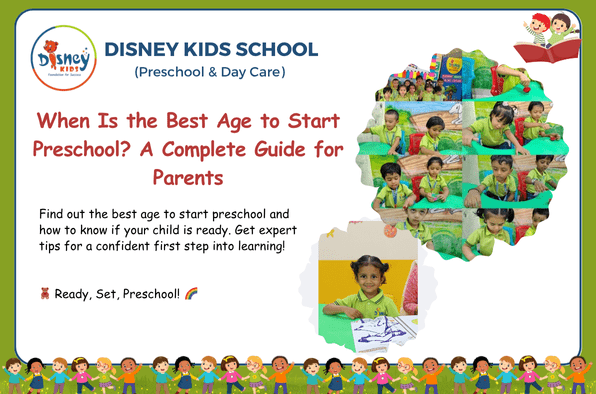
When Is the Best Age to Start Preschool? A Complete Guide for Parents
As a parent, one of the biggest milestones in your child’s early years is enrolling them in preschool. It’s not just about ABCs and 123s—it’s the first step toward building a lifelong love of learning, developing social skills, and gaining independence. But many parents wonder: What is the best age to start preschool?
In this complete guide, we’ll explore the ideal age for preschool enrolment, factors to consider before enrolling your child, and helpful tips to make the transition smooth and joyful—for both you and your little one.

What Is Preschool and Why Is It Important?
Preschool is an early childhood educational program that helps children (typically between the ages of 2 and 5) prepare for kindergarten and beyond. It focuses on key developmental areas such as:
- Social interaction and emotional regulation
- Basic literacy and numeracy skills
- Physical coordination and fine motor development
- Language acquisition and communication
- Creative expression and structured play
Preschool sets the foundation for academic success and plays a crucial role in shaping confident, curious learners.
What Is the Best Age to Start Preschool?
While there’s no universal answer, the best age to start preschool is typically 2.5 years old, depending on your child’s readiness and the structure of the preschool program.
Here’s a breakdown of the common age ranges and what to expect:
✅ 2 to 2.5 Years: Early Preschool or Toddler Programs
At this age, children begin exploring the world beyond their family. Toddler programs introduce:
- Group play and parallel play
- Following simple routines
- Early language development
Best for: Children who are ready to socialize but may still need potty training support and a shorter day.
✅ 3 Years: Ideal for Most Preschoolers
Three-year-olds are typically ready for structured learning environments. They can:
- Follow basic instructions
- Engage in interactive play
- Show curiosity about letters, numbers, and stories
- Stay engaged for longer periods
This is widely considered the best age to start preschool for cognitive and social development.
✅ 4 to 5 Years: Pre-K or Senior Preschool
At this stage, children build skills needed for kindergarten. Programs focus on:
- Early reading and math readiness
- Independent self-care
- Conflict resolution and teamwork
- Listening and concentration
If your child hasn’t attended preschool earlier, 4–5 years old is the latest recommended time to begin.
Factors That Influence the Best Age to Start Preschool
Every child is unique, and the best time to start depends on individual growth and family needs. Here are some factors to consider:
1. Emotional and Social Readiness
Is your child comfortable being away from you for a few hours? Do they enjoy playing with peers and following routines?
2. Language and Communication Skills
Can your child express basic needs, understand instructions, and engage in conversation?
3. Physical Development
Potty training is often required for certain programs. Can your child manage basic hygiene independently?
4. Family Schedule and Needs
Sometimes, parents enrol their children earlier due to work schedules or to help their child adjust to group settings before kindergarten.
5. Preschool Program Requirements
Different schools have different age cut-offs and curriculum models (Montessori, play-based, academic-focused). Consider which type fits your child best.
Benefits of Starting Preschool at the Right Age
Choosing the best age to start preschool means your child gets the most out of the experience, without feeling overwhelmed or under-stimulated. Here’s what the right timing can offer:
- Smooth emotional transition from home to school
- Stronger language and communication skills
- Better behaviour and cooperation in group settings
- Earlier identification of learning needs or strengths
Greater confidence and independence
Signs Your Child Might Be Ready for Preschool
Still unsure if your child is ready? Look for these signs:
- Shows interest in other children
- Can spend a few hours away from parents without distress
- Follows basic instructions like “sit down” or “clean up”
- Can eat and use the restroom independently
- Enjoys listening to stories or participating in group games
If your child shows most of these signs, they may be ready to begin their preschool journey!
Tips for a Smooth Preschool Start
Once you’ve decided on the best age to start preschool, here’s how you can ease the transition:
- Visit the school together before enrolment
- Establish a consistent routine at home
- Talk about school positively and read books about preschool
- Start with shorter days and gradually increase hours
- Stay calm and reassuring during drop-offs
- Communicate regularly with the teacher
Remember, some anxiety is normal—but with patience and encouragement, your child will adjust beautifully.
Final Thoughts –
There’s no perfect formula when it comes to the best age to start preschool—what matters most is your child’s emotional, social, and developmental readiness. Starting preschool at the right time gives your child the confidence and skills they need to thrive, not just in school, but in life.
If you’re considering preschool for your child, take time to observe their behaviour, talk to early childhood educators, and visit local preschools to find the right fit. When the timing is right, preschool becomes more than a classroom—it becomes a space where your child blossoms.